
chaslilly53378
About chaslilly53378
What Can You Do To Save Your Sell From Destruction By Social Media?
Every few years the housing market rewrites the rules, and buyers who learned the last set of rules show up unprepared for the new ones. Right now, the rules have changed more than they have at any point in a generation. The buyers who understand that are finding deals. The ones who do not are making expensive mistakes.
In markets where new construction has been active, prices have pulled back. Markets that overheated fastest have cooled most noticeably. But those are the exceptions. Most markets are not working from excess; they are working from scarcity.
Affordability, by the standard measure of what share of median household income goes toward the monthly payment on a median-priced home, is near its worst level since the early 1980s. That is a real problem, and it is not going away quickly. A market can stay unaffordable for longer than most buyers expect to wait. What it means, practically, is that the buyer who can close confidently has more leverage than the headline numbers suggest.
 Your credit score affects your rate more directly than most buyers realize. The difference between a 680 score and a 760 score can mean a half-point or more in rate. If your score has room to improve, pull your reports, find the issues, and address them before you start shopping seriously.
 If the report surfaces findings that change the financial picture of the deal, you have three options, not one, and walking away is a legitimate one of them. You can request a credit against the purchase price to handle repairs yourself. Signing off on a failing roof or a bad HVAC system is not the same house you made an offer on.
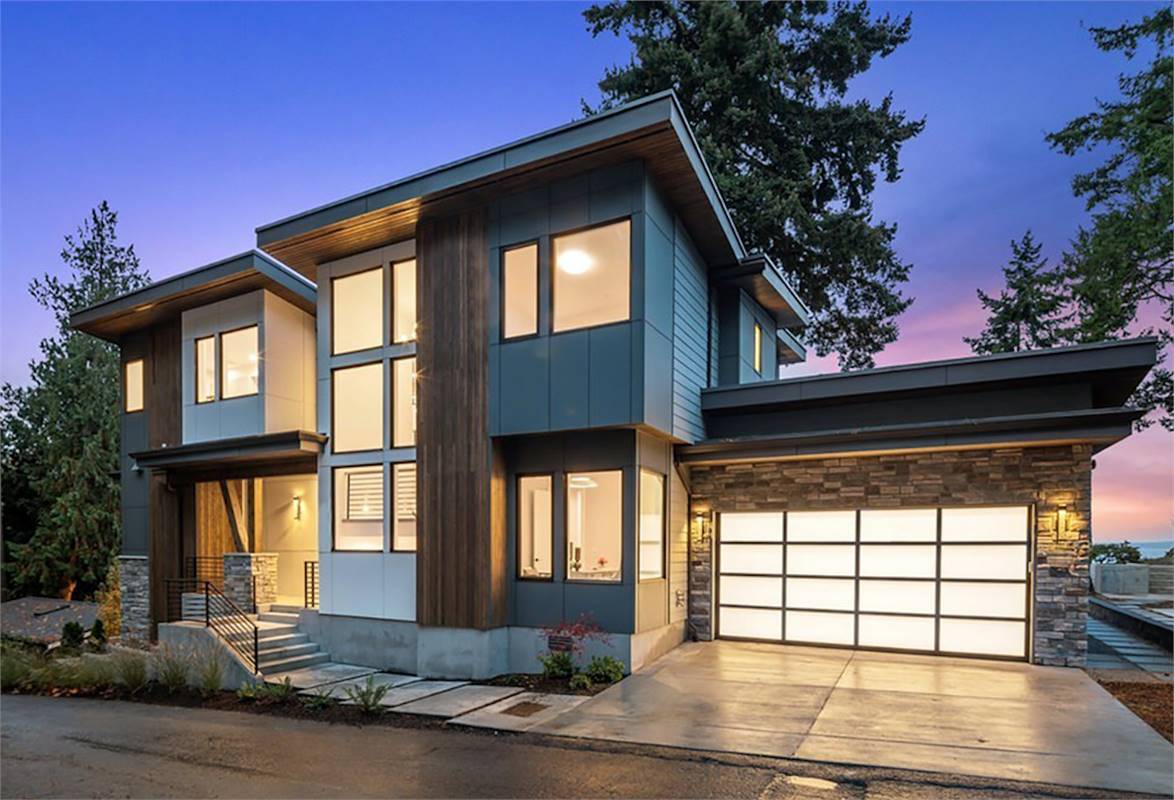 Negotiation works best when it is quiet and well-prepared. Before you make an offer, find out how long the listing has been active. A listing that has been relisted after a cancellation is a fundamentally different negotiation than one that just hit the market at an aggressive price.
 For buyers with a stable income, a down payment of at least ten percent, and a concrete plan to stay in the home for at least five years, this market is full of opportunity that distracted or impatient buyers miss. The homes that meet real criteria at a realistic price are still moving. They are moving to buyers who showed up prepared.
Real estate rewards preparation more than it rewards timing. Waiting for a better market is a reasonable position only if your personal situation supports it, otherwise you are just paying rent while prices hold. A look at real estate listings and pricing data in your target area costs nothing and tells you a great deal.
No listing found.